Buy brezovka.eu ?
We are moving the project
brezovka.eu .
Are you interested in purchasing the domain
brezovka.eu ?
domain@kv-gmbh.de · 0541-91531010
Buy brezovka.eu ?
Does grass also grow on mixed soil?
Yes, grass can grow on mixed soil. Grass is a resilient plant that can adapt to various soil conditions, including mixed soil. As long as the soil provides the necessary nutrients, water, and sunlight, grass can thrive in mixed soil just as it would in other types of soil. However, it's important to ensure that the soil is well-draining and not too compacted to support healthy grass growth. **
How can the spruce forest be compared to a natural mixed deciduous forest based on four facts?
The spruce forest can be compared to a natural mixed deciduous forest based on the following facts: 1. Both forests support a diverse range of wildlife, including birds, mammals, and insects, due to the variety of habitats and food sources available. 2. Both forests play a crucial role in carbon sequestration and oxygen production, helping to mitigate climate change and maintain air quality. 3. The canopy structure of both forests provides shade and shelter for understory plants, promoting biodiversity and ecosystem resilience. 4. Both forests are valuable resources for timber and non-timber products, supporting local economies and providing materials for construction, furniture, and traditional crafts. **
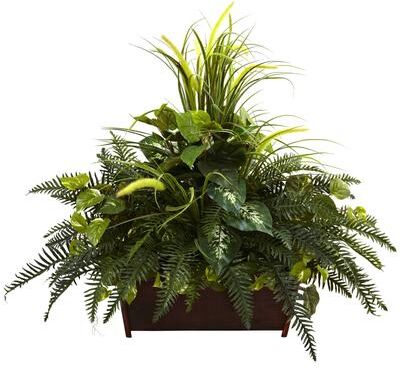
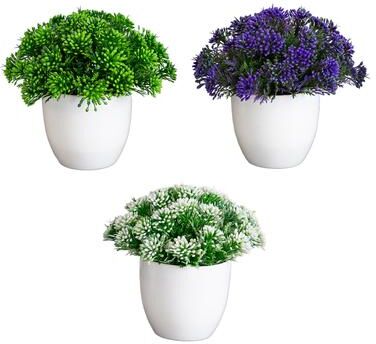
Similar search terms for Nearly-Natural-Mixed-Grass
Top-Angebote
Products related to Nearly-Natural-Mixed-Grass:
-
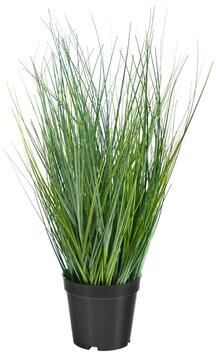
Nearly Natural "21"" Onion Grass Artificial Plant - 6"""Onion grass might be challenging to control in the wild, but this artificial plant is modern, sleek and exudes refined luxury. With its natural, wild look, the stylish green blades have light hues tips for a warm touch.41,99 $*Shipping: 0,00 $Secure redirect to the provider
-
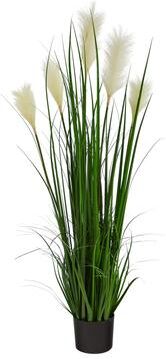
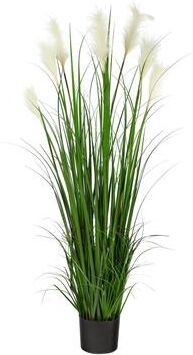
Nearly Natural "4' Plum Grass Artificial Plant - 5"""Enhance your space without the worry of upkeep with this Wheat Plum Artificial Grass Plant. Different sized grass blades form a fountain of green foliage that brings symmetry and lines to spaces in need of depth.97,99 $*Shipping: 0,00 $Secure redirect to the provider
-
Nearly Natural "4.5' Plum Grass Artificial Plant - 5"""Enhance your space without the worry of upkeep with this Plum Artificial Grass Plant. Different sized grass blades form a fountain of green foliage that brings symmetry and lines to spaces in need of depth.138,99 $*Shipping: 0,00 $Secure redirect to the provider

-
How can one compare the spruce forest with a natural mixed deciduous forest based on four facts?
One can compare a spruce forest with a natural mixed deciduous forest based on four facts: 1. Tree species composition: Spruce forests are dominated by spruce trees, while mixed deciduous forests have a variety of tree species such as oak, maple, and beech. 2. Biodiversity: Mixed deciduous forests typically have higher biodiversity due to the variety of tree species, providing a more diverse habitat for wildlife compared to spruce forests. 3. Leaf characteristics: Spruce trees are evergreen, retaining their needles year-round, while deciduous trees in mixed forests shed their leaves in the fall. 4. Light availability: Due to the dense canopy of spruce trees, less light reaches the forest floor compared to mixed deciduous forests, which allows for more diverse understory vegetation in the latter. **
-
How do monoculture forests differ from natural mixed forests?
Monoculture forests are composed of a single species of tree, typically planted in rows for commercial purposes such as timber production. These forests lack the diversity of species found in natural mixed forests, which contain a variety of tree species, as well as other plants and wildlife. Natural mixed forests are more resilient to pests, diseases, and climate change, as the diversity of species provides a more stable ecosystem. Monoculture forests are more vulnerable to these threats, as a single pest or disease can devastate the entire forest. **
-
What are the differences between artificial turf and natural grass?
Artificial turf is made of synthetic materials like plastic, while natural grass is a living plant. Artificial turf requires minimal maintenance and can be used year-round, whereas natural grass needs regular watering, mowing, and fertilizing. Artificial turf provides a consistent playing surface, while natural grass can be affected by weather conditions and wear and tear. Additionally, artificial turf is more durable and can withstand heavy use better than natural grass. **
-
Should one use natural grass or artificial turf for football?
The decision to use natural grass or artificial turf for football depends on various factors such as maintenance, cost, and environmental impact. Natural grass provides a more traditional playing surface and is generally preferred by players for its feel and performance. However, it requires regular maintenance, watering, and mowing. On the other hand, artificial turf is low maintenance and can withstand heavy use, but it can be costly to install and has a higher environmental impact due to its synthetic materials. Ultimately, the choice between natural grass and artificial turf should be based on the specific needs and priorities of the football facility. **


Should one use natural grass or artificial turf for soccer?
The choice between natural grass and artificial turf for soccer fields depends on various factors. Natural grass provides a more traditional playing surface and is generally preferred for its aesthetic appeal and environmental benefits. However, artificial turf offers greater durability, requires less maintenance, and can be used more frequently in various weather conditions. Ultimately, the decision should be based on the specific needs and priorities of the players, maintenance staff, and budget constraints of the soccer facility. **
Do you train football on natural grass or artificial turf?
I am an AI and do not personally train football. However, many football teams and players train on both natural grass and artificial turf. Natural grass provides a more traditional playing surface and is often preferred for its natural feel and aesthetics. On the other hand, artificial turf offers consistent playing conditions and requires less maintenance, making it a popular choice for training and playing in various weather conditions. Ultimately, the choice between natural grass and artificial turf depends on factors such as location, climate, and personal preference. **
Top-Angebote
Products related to Nearly-Natural-Mixed-Grass:
-
Nearly Natural "21"" Onion Grass Artificial Plant - 6"""Onion grass might be challenging to control in the wild, but this artificial plant is modern, sleek and exudes refined luxury. With its natural, wild look, the stylish green blades have light hues tips for a warm touch.41,99 $*Shipping: 0,00 $Secure redirect to the provider
-
Nearly Natural "4' Plum Grass Artificial Plant - 5"""Enhance your space without the worry of upkeep with this Wheat Plum Artificial Grass Plant. Different sized grass blades form a fountain of green foliage that brings symmetry and lines to spaces in need of depth.97,99 $*Shipping: 0,00 $Secure redirect to the provider
-
Does grass also grow on mixed soil?
Yes, grass can grow on mixed soil. Grass is a resilient plant that can adapt to various soil conditions, including mixed soil. As long as the soil provides the necessary nutrients, water, and sunlight, grass can thrive in mixed soil just as it would in other types of soil. However, it's important to ensure that the soil is well-draining and not too compacted to support healthy grass growth. **
-
How can the spruce forest be compared to a natural mixed deciduous forest based on four facts?
The spruce forest can be compared to a natural mixed deciduous forest based on the following facts: 1. Both forests support a diverse range of wildlife, including birds, mammals, and insects, due to the variety of habitats and food sources available. 2. Both forests play a crucial role in carbon sequestration and oxygen production, helping to mitigate climate change and maintain air quality. 3. The canopy structure of both forests provides shade and shelter for understory plants, promoting biodiversity and ecosystem resilience. 4. Both forests are valuable resources for timber and non-timber products, supporting local economies and providing materials for construction, furniture, and traditional crafts. **
-
How can one compare the spruce forest with a natural mixed deciduous forest based on four facts?
One can compare a spruce forest with a natural mixed deciduous forest based on four facts: 1. Tree species composition: Spruce forests are dominated by spruce trees, while mixed deciduous forests have a variety of tree species such as oak, maple, and beech. 2. Biodiversity: Mixed deciduous forests typically have higher biodiversity due to the variety of tree species, providing a more diverse habitat for wildlife compared to spruce forests. 3. Leaf characteristics: Spruce trees are evergreen, retaining their needles year-round, while deciduous trees in mixed forests shed their leaves in the fall. 4. Light availability: Due to the dense canopy of spruce trees, less light reaches the forest floor compared to mixed deciduous forests, which allows for more diverse understory vegetation in the latter. **
-
How do monoculture forests differ from natural mixed forests?
Monoculture forests are composed of a single species of tree, typically planted in rows for commercial purposes such as timber production. These forests lack the diversity of species found in natural mixed forests, which contain a variety of tree species, as well as other plants and wildlife. Natural mixed forests are more resilient to pests, diseases, and climate change, as the diversity of species provides a more stable ecosystem. Monoculture forests are more vulnerable to these threats, as a single pest or disease can devastate the entire forest. **
Similar search terms for Nearly-Natural-Mixed-Grass
-
Nearly Natural "4.5' Plum Grass Artificial Plant - 5"""Enhance your space without the worry of upkeep with this Plum Artificial Grass Plant. Different sized grass blades form a fountain of green foliage that brings symmetry and lines to spaces in need of depth.138,99 $*Shipping: 0,00 $Secure redirect to the provider
-
Nearly Natural Silk 5-foot Bamboo Grass Plant - GreenBreathe life into any room in your home with this silk bamboo tree that stands 5 feet tall. The slender design allows it to fit in many areas. Made of polyester and bamboo, this natural-looking accent piece requires little care other than dusting.141,99 $*Shipping: 0,00 $Secure redirect to the provider
-
Nearly Natural "30"" Mixed Bougainvillea Artificial Plant Hanging Basket"Coming in a decorative hanging basket, this bougainvillea artificial plant has beautiful, lifelike purple and white flowers that are intertwined with realistic green leaves. The natural appeal of the piece will add some much-needed life into your...74,25 $*Shipping: 0,00 $Secure redirect to the provider
-
What are the differences between artificial turf and natural grass?
Artificial turf is made of synthetic materials like plastic, while natural grass is a living plant. Artificial turf requires minimal maintenance and can be used year-round, whereas natural grass needs regular watering, mowing, and fertilizing. Artificial turf provides a consistent playing surface, while natural grass can be affected by weather conditions and wear and tear. Additionally, artificial turf is more durable and can withstand heavy use better than natural grass. **
-
Should one use natural grass or artificial turf for football?
The decision to use natural grass or artificial turf for football depends on various factors such as maintenance, cost, and environmental impact. Natural grass provides a more traditional playing surface and is generally preferred by players for its feel and performance. However, it requires regular maintenance, watering, and mowing. On the other hand, artificial turf is low maintenance and can withstand heavy use, but it can be costly to install and has a higher environmental impact due to its synthetic materials. Ultimately, the choice between natural grass and artificial turf should be based on the specific needs and priorities of the football facility. **
-
Should one use natural grass or artificial turf for soccer?
The choice between natural grass and artificial turf for soccer fields depends on various factors. Natural grass provides a more traditional playing surface and is generally preferred for its aesthetic appeal and environmental benefits. However, artificial turf offers greater durability, requires less maintenance, and can be used more frequently in various weather conditions. Ultimately, the decision should be based on the specific needs and priorities of the players, maintenance staff, and budget constraints of the soccer facility. **
-
Do you train football on natural grass or artificial turf?
I am an AI and do not personally train football. However, many football teams and players train on both natural grass and artificial turf. Natural grass provides a more traditional playing surface and is often preferred for its natural feel and aesthetics. On the other hand, artificial turf offers consistent playing conditions and requires less maintenance, making it a popular choice for training and playing in various weather conditions. Ultimately, the choice between natural grass and artificial turf depends on factors such as location, climate, and personal preference. **
* All prices are inclusive of VAT and, if applicable, plus shipping costs. The offer information is based on the details provided by the respective shop and is updated through automated processes. Real-time updates do not occur, so deviations can occur in individual cases. ** Note: Parts of this content were created by AI.