Buy brezovka.eu ?
We are moving the project
brezovka.eu .
Are you interested in purchasing the domain
brezovka.eu ?
domain@kv-gmbh.de · 0541-91531010
Buy brezovka.eu ?
Is allosteric inhibition the same as non-competitive inhibition?
Allosteric inhibition and non-competitive inhibition are not the same, although they are related. Non-competitive inhibition refers to the binding of an inhibitor to a site on the enzyme that is not the active site, thereby preventing the substrate from binding to the active site. Allosteric inhibition, on the other hand, occurs when an inhibitor binds to a site on the enzyme that is distinct from the active site, causing a conformational change in the enzyme that reduces its activity. While both types of inhibition involve the binding of an inhibitor to a site other than the active site, allosteric inhibition specifically involves a change in the enzyme's shape and activity. **
What type of inhibition occurs through allosteric activation/inhibition?
Allosteric inhibition occurs when a molecule binds to an allosteric site on an enzyme, causing a conformational change that reduces the enzyme's activity. This type of inhibition is non-competitive, meaning it does not compete with the substrate for the active site. Allosteric activation, on the other hand, occurs when a molecule binds to an allosteric site and enhances the enzyme's activity. Both allosteric inhibition and activation involve the binding of a regulatory molecule to a site other than the active site of the enzyme, leading to a change in the enzyme's activity. **


Similar search terms for Inhibition
Top-Angebote
Products related to Inhibition:
-
Inspired Finds Rustic Wooden Christmas House Pendant Cozy Mini Cabin Tree Ornament rustic CabinAdd a touch of warmth and nostalgia to your holiday decor with this charming wooden Christmas ornament. Designed as a miniature log house, it brings a cozy, storybook feel to your tree, instantly creating a welcoming festive atmosphere. Crafted from...35,99 $*Shipping: 0,00 $Secure redirect to the provider
-
Uplift Treasures Rustic Bear Metal Wall Art Cabin Decor Rustic Bear Metal Wall Art Cabin DecorProduct Description:Bring the spirit of the wilderness into your home with this rustic bear wall dcor. Featuring a striking metal silhouette of a bear surrounded by pine trees, it adds a bold and natural charmperfect for cabins, lodges, or...73,97 $*Shipping: 0,00 $Secure redirect to the provider
-
Saro "Winter Pine Tree Table Runner - Rustic Christmas Tree Forest Design for Holiday Dining & Cabin Lodge Entertaining - 16""x72"""Bring the beauty of a winter forest to your holiday decor with this Winter Pine Tree Table Runner featuring an allover evergreen tree pattern inspired by rustic woodland landscapes.48,49 $*Shipping: 0,00 $Secure redirect to the provider
-
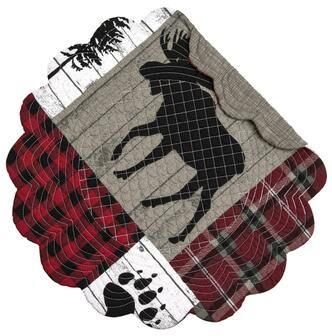
C&F Home Hayden Placemat Set of 6 Lodge Cabin Nature Rustic Gray and Red Patchwork Pattern Cotton ReversibleWith a classic printed patchwork of wilderness motifs and coordinating red plaids, the Hayden tabletop collection brings a touch of rustic lodge style to any dining room.63,00 $*Shipping: 0,00 $Secure redirect to the provider


-
What is the difference between competitive inhibition and allosteric inhibition?
Competitive inhibition occurs when a molecule competes with the substrate for the active site of an enzyme, effectively blocking the substrate from binding and inhibiting the enzyme's activity. In contrast, allosteric inhibition occurs when a molecule binds to a site on the enzyme other than the active site, causing a conformational change that reduces the enzyme's activity. While competitive inhibition directly competes with the substrate for the active site, allosteric inhibition involves binding to a different site on the enzyme to regulate its activity. **
-
Is allosteric inhibition irreversible?
Allosteric inhibition is typically reversible, meaning that the inhibitor can bind to the allosteric site and block the activity of the enzyme, but can also dissociate from the site, allowing the enzyme to regain its activity. This is in contrast to irreversible inhibition, where the inhibitor forms a covalent bond with the enzyme, permanently inactivating it. **
-
Non-competitive inhibition, right?
Non-competitive inhibition is a type of enzyme inhibition where the inhibitor binds to a site on the enzyme that is not the active site. This binding causes a conformational change in the enzyme, making it less effective at catalyzing the reaction. Non-competitive inhibitors do not compete with the substrate for binding to the enzyme. Instead, they can bind to the enzyme-substrate complex or to a separate allosteric site on the enzyme. **
-
What is allosteric inhibition?
Allosteric inhibition is a type of enzyme regulation where a molecule binds to a site on the enzyme that is different from the active site, causing a conformational change in the enzyme's structure. This change reduces the enzyme's activity and ability to bind to its substrate, ultimately inhibiting its function. Allosteric inhibition is a reversible process and can be used to regulate enzyme activity in response to changing cellular conditions. **


What is the difference between allosteric inhibition and competitive inhibition in biology?
Allosteric inhibition occurs when a molecule binds to an allosteric site on an enzyme, causing a conformational change that reduces the enzyme's activity. This type of inhibition is non-competitive and can affect multiple enzymes in a metabolic pathway. On the other hand, competitive inhibition occurs when a molecule competes with the substrate for the active site of the enzyme, effectively blocking the substrate from binding and reducing the enzyme's activity. Competitive inhibition can be overcome by increasing the concentration of the substrate, while allosteric inhibition cannot be overcome in the same way. **
What is the difference between non-competitive inhibition and allosteric inhibition in biochemistry?
Non-competitive inhibition occurs when an inhibitor binds to an enzyme at a site other than the active site, causing a conformational change in the enzyme that reduces its activity. This type of inhibition does not compete with the substrate for binding to the active site. On the other hand, allosteric inhibition occurs when an inhibitor binds to an allosteric site on the enzyme, causing a conformational change that reduces the enzyme's activity. Allosteric inhibition can be reversible or irreversible, and it can be overcome by increasing the concentration of the substrate. **
Top-Angebote
Products related to Inhibition:
-
Inspire Essentials Rustic Bear Metal Wall Decor For Cabin Lodge And Nature Inspired Homes Rustic Bear Metal Wall Decor For Cabin Lodge And Nature Inspired HomesBring the spirit of the wild into your home with this striking bear wall decor designed to capture the beauty of nature. Crafted with a bold silhouette and forest inspired details, it creates a warm and rugged atmosphere perfect for cozy interiors....34,98 $*Shipping: 0,00 $Secure redirect to the provider
-
Uplift Curations Rustic Metal Bear Wall Decor Cabin Lodge Forest Animal Wall Art For Home & Outdoor Spaces Rustic Metal Bear Wall Decor Cabin Lodge Forest Animal Wall Art For Home & Outdoor SpacesBring the wild beauty of nature into your home with this striking bear wall decor designed to capture the spirit of the forest. Crafted with intricate detailing, this metal bear wall art features a bold silhouette surrounded by trees and mountain...90,00 $*Shipping: 0,00 $Secure redirect to the provider
-
Inspired Finds Rustic Wooden Christmas House Pendant Cozy Mini Cabin Tree Ornament rustic CabinAdd a touch of warmth and nostalgia to your holiday decor with this charming wooden Christmas ornament. Designed as a miniature log house, it brings a cozy, storybook feel to your tree, instantly creating a welcoming festive atmosphere. Crafted from...35,99 $*Shipping: 0,00 $Secure redirect to the provider
-
Uplift Treasures Rustic Bear Metal Wall Art Cabin Decor Rustic Bear Metal Wall Art Cabin DecorProduct Description:Bring the spirit of the wilderness into your home with this rustic bear wall dcor. Featuring a striking metal silhouette of a bear surrounded by pine trees, it adds a bold and natural charmperfect for cabins, lodges, or...73,97 $*Shipping: 0,00 $Secure redirect to the provider
-
Is allosteric inhibition the same as non-competitive inhibition?
Allosteric inhibition and non-competitive inhibition are not the same, although they are related. Non-competitive inhibition refers to the binding of an inhibitor to a site on the enzyme that is not the active site, thereby preventing the substrate from binding to the active site. Allosteric inhibition, on the other hand, occurs when an inhibitor binds to a site on the enzyme that is distinct from the active site, causing a conformational change in the enzyme that reduces its activity. While both types of inhibition involve the binding of an inhibitor to a site other than the active site, allosteric inhibition specifically involves a change in the enzyme's shape and activity. **
-
What type of inhibition occurs through allosteric activation/inhibition?
Allosteric inhibition occurs when a molecule binds to an allosteric site on an enzyme, causing a conformational change that reduces the enzyme's activity. This type of inhibition is non-competitive, meaning it does not compete with the substrate for the active site. Allosteric activation, on the other hand, occurs when a molecule binds to an allosteric site and enhances the enzyme's activity. Both allosteric inhibition and activation involve the binding of a regulatory molecule to a site other than the active site of the enzyme, leading to a change in the enzyme's activity. **
-
What is the difference between competitive inhibition and allosteric inhibition?
Competitive inhibition occurs when a molecule competes with the substrate for the active site of an enzyme, effectively blocking the substrate from binding and inhibiting the enzyme's activity. In contrast, allosteric inhibition occurs when a molecule binds to a site on the enzyme other than the active site, causing a conformational change that reduces the enzyme's activity. While competitive inhibition directly competes with the substrate for the active site, allosteric inhibition involves binding to a different site on the enzyme to regulate its activity. **
-
Is allosteric inhibition irreversible?
Allosteric inhibition is typically reversible, meaning that the inhibitor can bind to the allosteric site and block the activity of the enzyme, but can also dissociate from the site, allowing the enzyme to regain its activity. This is in contrast to irreversible inhibition, where the inhibitor forms a covalent bond with the enzyme, permanently inactivating it. **
Similar search terms for Inhibition
-
Saro "Winter Pine Tree Table Runner - Rustic Christmas Tree Forest Design for Holiday Dining & Cabin Lodge Entertaining - 16""x72"""Bring the beauty of a winter forest to your holiday decor with this Winter Pine Tree Table Runner featuring an allover evergreen tree pattern inspired by rustic woodland landscapes.48,49 $*Shipping: 0,00 $Secure redirect to the provider
-
C&F Home Hayden Placemat Set of 6 Lodge Cabin Nature Rustic Gray and Red Patchwork Pattern Cotton ReversibleWith a classic printed patchwork of wilderness motifs and coordinating red plaids, the Hayden tabletop collection brings a touch of rustic lodge style to any dining room.63,00 $*Shipping: 0,00 $Secure redirect to the provider
-
Inspired Living Rustic Bear Metal Wall Decor For Cabin & Lodge Living Rustic Bear Metal Wall Decor For Cabin & Lodge LivingBring the quiet strength of the wilderness into your home with this beautifully crafted bear wall decor. Designed for nature lovers and cabinstyle interiors, this piece blends rugged charm with timeless simplicity. Featuring a striking silhouette of...23,97 $*Shipping: 0,00 $Secure redirect to the provider
-
Inspire Select Bear Metal Wall Decor Rustic Cabin Wall Art With Pine Tree Forest Design For Lodge & Hunting Decor blackBring the spirit of the wilderness into your space with a bold and rustic decorative piece. Perfect for cabin owners, hunters, and nature lovers, it adds a warm, outdoorsy charm to any room. The detailed bear and pine tree design creates a cozy...78,98 $*Shipping: 0,00 $Secure redirect to the provider
-
Non-competitive inhibition, right?
Non-competitive inhibition is a type of enzyme inhibition where the inhibitor binds to a site on the enzyme that is not the active site. This binding causes a conformational change in the enzyme, making it less effective at catalyzing the reaction. Non-competitive inhibitors do not compete with the substrate for binding to the enzyme. Instead, they can bind to the enzyme-substrate complex or to a separate allosteric site on the enzyme. **
-
What is allosteric inhibition?
Allosteric inhibition is a type of enzyme regulation where a molecule binds to a site on the enzyme that is different from the active site, causing a conformational change in the enzyme's structure. This change reduces the enzyme's activity and ability to bind to its substrate, ultimately inhibiting its function. Allosteric inhibition is a reversible process and can be used to regulate enzyme activity in response to changing cellular conditions. **
-
What is the difference between allosteric inhibition and competitive inhibition in biology?
Allosteric inhibition occurs when a molecule binds to an allosteric site on an enzyme, causing a conformational change that reduces the enzyme's activity. This type of inhibition is non-competitive and can affect multiple enzymes in a metabolic pathway. On the other hand, competitive inhibition occurs when a molecule competes with the substrate for the active site of the enzyme, effectively blocking the substrate from binding and reducing the enzyme's activity. Competitive inhibition can be overcome by increasing the concentration of the substrate, while allosteric inhibition cannot be overcome in the same way. **
-
What is the difference between non-competitive inhibition and allosteric inhibition in biochemistry?
Non-competitive inhibition occurs when an inhibitor binds to an enzyme at a site other than the active site, causing a conformational change in the enzyme that reduces its activity. This type of inhibition does not compete with the substrate for binding to the active site. On the other hand, allosteric inhibition occurs when an inhibitor binds to an allosteric site on the enzyme, causing a conformational change that reduces the enzyme's activity. Allosteric inhibition can be reversible or irreversible, and it can be overcome by increasing the concentration of the substrate. **
* All prices are inclusive of VAT and, if applicable, plus shipping costs. The offer information is based on the details provided by the respective shop and is updated through automated processes. Real-time updates do not occur, so deviations can occur in individual cases. ** Note: Parts of this content were created by AI.