Buy brezovka.eu ?
We are moving the project
brezovka.eu .
Are you interested in purchasing the domain
brezovka.eu ?
domain@kv-gmbh.de · 0541-91531010
Buy brezovka.eu ?
Should I use 2 x 0.75 cables instead of 3 x 1.5 cables?
Using 2 x 0.75 cables instead of 3 x 1.5 cables may not be advisable as the total cross-sectional area of the cables would be smaller in the former option. This could result in a lower current-carrying capacity and potentially lead to overheating or other safety hazards. It is important to ensure that the cables used are appropriate for the intended application and meet the necessary safety standards. **
What is the objective difference between the 18-200mm and the 55-200mm?
The objective difference between the 18-200mm and the 55-200mm lenses is their focal length range. The 18-200mm lens has a wider focal length range, allowing for both wide-angle and telephoto shots, making it a more versatile option for various types of photography. On the other hand, the 55-200mm lens has a narrower focal length range, making it more suitable for capturing distant subjects with its telephoto capabilities. Ultimately, the choice between the two lenses depends on the specific photography needs and shooting preferences of the user. **

Similar search terms for Cables-Direct-200mm-x
Top-Angebote
Products related to Cables-Direct-200mm-x:
-
Cables Direct 25m RCA Audio CableOur budget-friendly audio cables feature Nickel connectors, ideal for affordable audio solutions. This Nickel single RCA cable, also known as a phono cable, is designed for audio equipment with RCA sockets, typically used in mono applications or as left/right channels on stereo equipment.11,99 £*Shipping: 0,00 £Secure redirect to the provider


-
Can the direct current cross-section be distributed across multiple cables?
Yes, direct current can be distributed across multiple cables. By connecting multiple cables in parallel, the total current can be divided among the cables, allowing for the distribution of the direct current across them. This method is commonly used in electrical systems to ensure that the current is evenly distributed and to prevent overloading of individual cables. **
-
How do I determine the polarity of cables in direct current?
To determine the polarity of cables in direct current, you can use a multimeter set to the DC voltage setting. Connect the red probe to the positive terminal of the cable and the black probe to the negative terminal. If the multimeter shows a positive reading, then the red probe is connected to the positive terminal. If the reading is negative, then the red probe is connected to the negative terminal. This method helps you identify the polarity of the cables accurately. **
-
Do you need thicker cables for direct current than for alternating current?
No, you do not necessarily need thicker cables for direct current (DC) than for alternating current (AC). The current-carrying capacity of a cable is determined by factors such as the material, size, and insulation of the cable, as well as the voltage and current being carried. Both DC and AC have their own unique considerations when it comes to cable sizing, but the need for thicker cables is not inherently tied to the type of current being carried. It ultimately depends on the specific requirements of the electrical system and the application. **
-
How can you lay electrical cables outdoors?
When laying electrical cables outdoors, it is important to follow safety guidelines and local regulations. First, you should dig a trench at the appropriate depth to lay the cables in. Then, place the cables in conduit to protect them from the elements and potential damage. Finally, cover the trench with soil or other appropriate material to protect the cables and ensure they are not exposed. It is also important to use cables and materials that are designed for outdoor use and are weather-resistant. **

How often is the zoom at 200mm?
The zoom at 200mm is typically found on telephoto lenses, and it is a popular focal length for capturing distant subjects such as wildlife, sports, and events. The frequency of using the zoom at 200mm depends on the specific needs of the photographer and the type of photography they are doing. For some photographers, they may use the 200mm zoom frequently for capturing distant subjects, while others may use it less often depending on their shooting style and preferences. **
How does the stress on cables differ between direct current and alternating current?
In direct current (DC) systems, the stress on cables is relatively constant because the current flows in one direction continuously. This results in a steady and predictable stress level on the cables. On the other hand, in alternating current (AC) systems, the stress on cables fluctuates as the current changes direction periodically. This can lead to higher stress levels on the cables, especially during peak currents, which may require cables to be designed to withstand these fluctuations. **
Top-Angebote
Products related to Cables-Direct-200mm-x:
-
Cables Direct 200mm x 4.8mm Black Releasable Cable Ties - 100 PackA pack of 100 black releasable cable ties from Cables Direct, 200mm long and 4.8mm wide. The release tab lets each tie be opened and reused, which suits cable runs that change, such as desks, racks and AV installations.11,99 £*Shipping: 0,00 £Secure redirect to the provider
-
Should I use 2 x 0.75 cables instead of 3 x 1.5 cables?
Using 2 x 0.75 cables instead of 3 x 1.5 cables may not be advisable as the total cross-sectional area of the cables would be smaller in the former option. This could result in a lower current-carrying capacity and potentially lead to overheating or other safety hazards. It is important to ensure that the cables used are appropriate for the intended application and meet the necessary safety standards. **
-
What is the objective difference between the 18-200mm and the 55-200mm?
The objective difference between the 18-200mm and the 55-200mm lenses is their focal length range. The 18-200mm lens has a wider focal length range, allowing for both wide-angle and telephoto shots, making it a more versatile option for various types of photography. On the other hand, the 55-200mm lens has a narrower focal length range, making it more suitable for capturing distant subjects with its telephoto capabilities. Ultimately, the choice between the two lenses depends on the specific photography needs and shooting preferences of the user. **
-
Can the direct current cross-section be distributed across multiple cables?
Yes, direct current can be distributed across multiple cables. By connecting multiple cables in parallel, the total current can be divided among the cables, allowing for the distribution of the direct current across them. This method is commonly used in electrical systems to ensure that the current is evenly distributed and to prevent overloading of individual cables. **
-
How do I determine the polarity of cables in direct current?
To determine the polarity of cables in direct current, you can use a multimeter set to the DC voltage setting. Connect the red probe to the positive terminal of the cable and the black probe to the negative terminal. If the multimeter shows a positive reading, then the red probe is connected to the positive terminal. If the reading is negative, then the red probe is connected to the negative terminal. This method helps you identify the polarity of the cables accurately. **
Similar search terms for Cables-Direct-200mm-x
-
Cables Direct 25m RCA Audio CableOur budget-friendly audio cables feature Nickel connectors, ideal for affordable audio solutions. This Nickel single RCA cable, also known as a phono cable, is designed for audio equipment with RCA sockets, typically used in mono applications or as left/right channels on stereo equipment.11,99 £*Shipping: 0,00 £Secure redirect to the provider
-
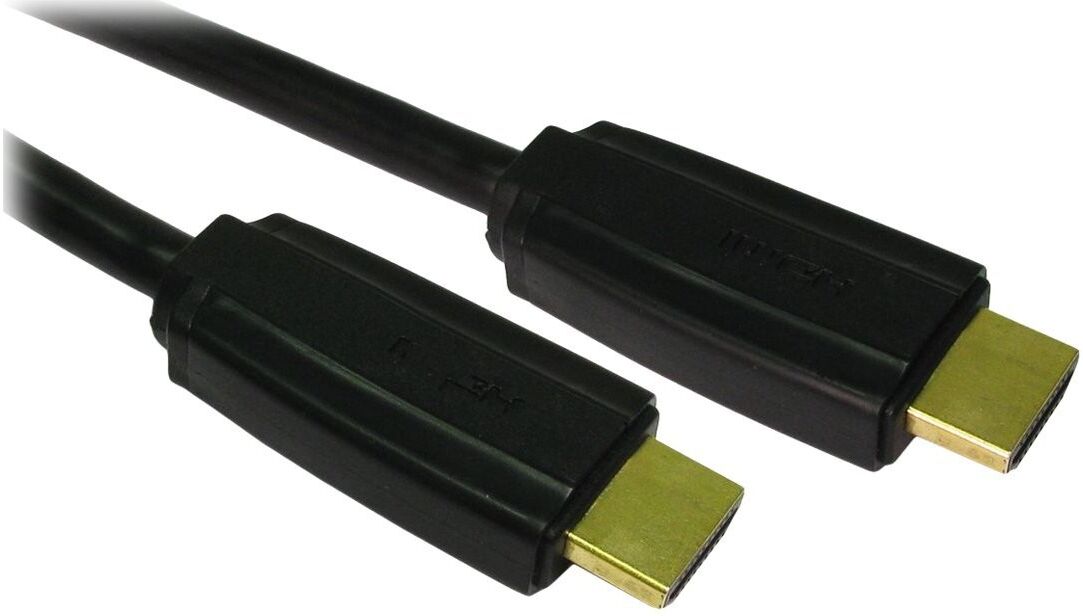
Cables Direct HDMI Ethernet Cable 1mHigh-speed HDMI cable with integrated Ethernet channel (HEC) supporting 3D transmission over 1 meter length. Gold-plated connectors and drain wire provide enhanced signal quality and durability for connecting compatible audio/video devices.11,99 £*Shipping: 0,00 £Secure redirect to the provider
-
Do you need thicker cables for direct current than for alternating current?
No, you do not necessarily need thicker cables for direct current (DC) than for alternating current (AC). The current-carrying capacity of a cable is determined by factors such as the material, size, and insulation of the cable, as well as the voltage and current being carried. Both DC and AC have their own unique considerations when it comes to cable sizing, but the need for thicker cables is not inherently tied to the type of current being carried. It ultimately depends on the specific requirements of the electrical system and the application. **
-
How can you lay electrical cables outdoors?
When laying electrical cables outdoors, it is important to follow safety guidelines and local regulations. First, you should dig a trench at the appropriate depth to lay the cables in. Then, place the cables in conduit to protect them from the elements and potential damage. Finally, cover the trench with soil or other appropriate material to protect the cables and ensure they are not exposed. It is also important to use cables and materials that are designed for outdoor use and are weather-resistant. **
-
How often is the zoom at 200mm?
The zoom at 200mm is typically found on telephoto lenses, and it is a popular focal length for capturing distant subjects such as wildlife, sports, and events. The frequency of using the zoom at 200mm depends on the specific needs of the photographer and the type of photography they are doing. For some photographers, they may use the 200mm zoom frequently for capturing distant subjects, while others may use it less often depending on their shooting style and preferences. **
-
How does the stress on cables differ between direct current and alternating current?
In direct current (DC) systems, the stress on cables is relatively constant because the current flows in one direction continuously. This results in a steady and predictable stress level on the cables. On the other hand, in alternating current (AC) systems, the stress on cables fluctuates as the current changes direction periodically. This can lead to higher stress levels on the cables, especially during peak currents, which may require cables to be designed to withstand these fluctuations. **
* All prices are inclusive of VAT and, if applicable, plus shipping costs. The offer information is based on the details provided by the respective shop and is updated through automated processes. Real-time updates do not occur, so deviations can occur in individual cases. ** Note: Parts of this content were created by AI.